A Quick Guide to Depression Treatment

Monday, September 21st, 2009

a girl wearing red stares at the ground sadly

Depression.

Are you unhappy, worried about your life, and things don’t seem to matter?

It might be depression.  And that should mean change of some sort.  What that means can vary: it can mean eating healthier and exercising, to seeing a therapist and taking medication.

It’s important to realize what we know about depression – and what we don’t.

First, we aren’t sure what causes depression.  While often depression can be linked to a significant event, it also often just happens, so to speak.  It seems to make more sense for depression without a reason to require treatment.

And we don’t know how much of depression is normal.  If someone just lost their parents, for instance, or was diagnosed with a fatal disease, it only makes sense for them to feel down – depressed.  Making it more complicated, most depressive feelings pass with time.

The standard medical treatment for depression is, nowadays, medication.  But there are reasons to hesitate before turning to medications, like how little we know about them.  Also, they have only OK results – they work in about 60% of people who take them, as opposed to about 30% who respond to a placebo, or a sugar pill.

And that’s at best.  Some studies have shown significantly lower success rates, and how well antidepressants work over the long run also seems to be lower.

Worse.  Medications for depression often have serious side effects, including sexual dysfunction and can even cause suicidal thoughts.  And they can be physically addictive.

On the other hand, antidepressants can help and are sometimes lifesaving.  There is a reason that millions of people have taken them, and it’s not all due to adroit marketing by pharmaceutical companies.  A good therapist can help you weight the pros and cons of medication and help find the right path.

Treatment – initial evaluation

If you’re concerned about possibly having depression, you should see both a regular doctor and a therapist for an evaluation.  There are many physical causes of depression.  Vitamin B12 deficiencies, for instance, as well as low levels of folic acid can cause depression.  And physical conditions like hypothyroidism also can cause poor mood.

As such, the first step for treating depression should be a phyiscal work up to eliminate these and other conditions.  Tests should be done for thyroid hormone levels and to ensure both proper levels of nutrients and proper digestive working.

Dietary modification and exercise  are worth a try as an initial treatment for depression.  Some doctors claim to see astonishing transformations from that alone, and several studies have shown that vigorous exercise works as well as medication for treating depression.

Seeing a therapist is a very good idea.  Their expertise and ability to help you with your problems can be phenomenal just by itself.  The fact is that therapy has been shown to be just as effective as medications for treating depression – with the only side effect being a smaller wallet.

Treatment – SSRIs

If you decide to go onto medication, a decision that shouldn’t be made lightly and should ideally come after trying the ideas above, most likely your doctor will recommend an SSRI.

The SSRIs are now the most commonly prescribed medication for depression.  They are so called because they are Selective Serotonin Reuptake Inhibitors.  What does that mean? Well, imagine two cells in your brain.  There’s a gap in between the two, which is full of chemicals and substances, including serotonin.  This stuff interacts with receptors on the cell, activating and creating all sorts of activity.

The SSRIs prevent cells from taking up serotonin, or removing it from the space in between the cells.  That keeps serotonin around longer, which means it activates more of the receptors for it.

Why this does anything to improve mood we simply don’t know.  Serotonin is a widely used neurotransmitter, and substances that effect it have unpredictable effects.  Some pain killers effect it, as well as LSD, which causes hallucinations.

The SSRIs work in about 2/3 of patients who use them.  In terms of side effects, they very commonly cause sexual dysfunction like inability to orgasm and some digestive issues.  Shockingly, they have been linked to a significant increase in suicidal thinking, perhaps doubling the risk of it.

Treatment – Tricylics, MAO-inhibitors

These are older classes of medication but work on similar neurochemicals that the SSRIs do.  The tricylclics might be slightly more effective than the SSRIs, but there are very good reason that both these medications are not used typically for initial treatment.

Tricylclics can be fatal in overdoses, and have other significant side effects.  MAO inhibitors are also somewhat toxic and make the user extremely sensitive to certain foods, like cheese.  If one of those foods are eaten, a life threatening increase in blood pressure can happen.

Treatment – if things don’t improve

If the ideas above don’t help with your depression, several things should be considered.

First, the depression may be caused by a related mood condition called Bipolar Disorder.  Bipolar disorder often causes depression that does not respond to typical antidepressant treatment.

Second, switching medications is definitely worth considering.  Several studies have shown that a significant percentage of people who don’t respond to initial treatment do to their second, or third medication.  Importantly, there are medications that don’t work on serotonin that may work if an SSRI doesn’t.

In some cases, it might be worth considering adding a different class of medication.  Antipsychotics have shown some but modest ability to help treat depression.  Stimulants like Ritalin and Adderall might help increase energy and motivation.

In the worst case scenarios, physical interventions like electro-shock therapy might work.  Electro-shock therapy is actually the most effective treatment for depression we have, but comes with serious side effects like memory loss.

Thoughts

Depression is a serious problem and medications can help.  That said, there are limitations to both our understanding of the condition and the pills to treat it.  If you’re feeling depressed, you might want to consider if it makes sense.  As direct/rude as it may sound, if your life is crappy, why would you expect to feel otherwise?

The best treatment would seem to be seeing a therapist who very well understands the relevant issues.  They can guide medication decisions as well as help you with the problems in your life that may be causing the depression.

Remember:

Never lose hope.  Never give up.  There is a combination of dietary change, exercise, therapy and medication that will change things for the better.  Sometimes clouds cover the sun, but that doesn’t it isn’t there – or that it won’t shine again, soon.

If you are feeling actively suicidal, please consider getting immediate help.

You might like:

10 Ways to Treat Persistant Depression

Agomelatine: A New Treatment for Depression

Thanks for reading!

depression

Valdoxan or Agomelatine for Depression

Monday, August 24th, 2009

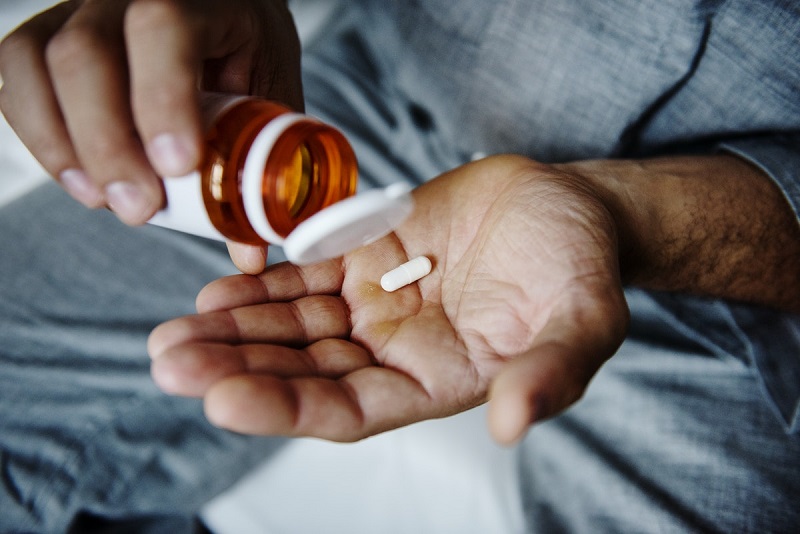
Pills

Valdoxan or Agomelatine: A new depression treatment

About 40-50% of people taking the current antidepressants, or the SSRIs, stop treatment shortly after starting.  This is because that class of medications has certain significant side effects, like nauseua and sexual dysfunction.

Valdoxan, generic agomelatine, is a new medication that is generating a lot of excitement because it seems to be an effective antidepressant that doesn’t have those problems.

Valdoxan is a synthetic analogue to melatonin, a natural substance your body has that plays a role in sleep regulation.  Chemically, it serves to activate the melatonin 1 and 2 receptors, while also acting as an antagonist to 5-Ht2.  This latter activity may serve to promote release or norepinephrine and dopamine.

It’s important to note that Valdoxan has significantly different chemical action than the selective serotonin reuptake inhibitors (SSRIs).

Possible Advantages

Valdoxan may not have the same rate or degree or type of side effects as traditional antidepressants. It may not cause nausea, sexual dysfunction and other common side effects.

It may start working faster, with some efficacy observed at just two weeks, not the four typically needed for antidepressants.

Both these elements may mean that people will be less likely to want to stop taking it and could start expereincing benefit at an earlier time.  In some studies, only 15% stopped use of Valdoxan, which is much less than the rate traditional antidepressants have.

This may mean a very significant advantage over traditional treatment.

Concerns

Several studies of Valdoxan have not shown significant advantage over placebo.

Because Valdoxan is heavily metabolized by the liver, people with some form of liver damage may experience toxicity.  One study showed that some degree of liver impairment could lead to a 50-fold increase in drug concentration.

Valdoxan may, like the SSRIs, increase risk of suicidal ideation.

Efficacy

The number one question people have about any medication is, how well does it work?  It appears that there have been 7 major studies to date which have analyzed the efficacy of Valdoxan for treating depression, and there are others going on to see if it works for generalized anxiety disorder and other conditions.

Positive studies

One study showed that Valdoxan was significantly more effective as a treatment for depression than Prozac.

A study of 711 people treated for depression showed that it was significantly better than placebo and had effect starting at 2 weeks.  Additionally, that study showed that severely depressed people were more likely to respond to Valdoxan than to Paxil.

Another study of 238 people showed a roughly 55% response rate versus 35% response to placebo.

Negative Studies

Several have also shown little or no benefit over placebo.  An unpublished 6 week long study of 414 patients showed that Valdoxan had a response in 53% of those taking it compared to 47% who responded to placebo.  That same study showed that Prozac did have a significant response.

And another 6 week long study of 607 patients showed that neither Valdoxan or Prozac had benefit for treating depression over placebo.

What it means

Valdoxan is not free from the problems that typical antidepressants have, that sometimes they don’t seem to work much better than placebo.  The studies seem to indicate that it is about as effective as traditional antidepressants while having significantly less side effects and possibly faster onset of action.

These advantages may make it extremely popular.  That said, the concerns around its metabolism have yet to fully be addressed, and there may be other issues that time will reveal.

depression

Problems with Abilify for Depression

Monday, August 17th, 2009

test

Abilify: way oversold

You probably have seen a TV ad recently for Abilify. I do all the time. It’s terrible.

Each time I’m amazed at the audacity of its makers, Bristol-myers Squibb.  They’re making a killing off those ads; they sold 30% more in 2009 than in 08 of the stuff.

But what don’t they tell you?

The ads position Abilify as an option if your antidepressant doesn’t provide complete symptom relief.

(That includes pretty much everyone. Antidepressants flat out don’t work in at least 33% of people, and completely eliminate symptoms in almost no one.)

But the ads don’t mention that Abilify is a very powerful drug mainly used for schizophrenia and mania.

That it has hardly any scientific backing for its ability to treat depression. And that there are many, many other options that should be considered first when depression doesn’t fully respond to an antidepressant.

Abilify is an antipsychotic

Abilify is primarily used for schizophrenia and mania, not depression. Like most antipsychotics, it has serious side effects. Use for just 1 year can potentially cause irreversible movements like facial tics or leg twitching. It can potentially cause diabetes. And an astonishing 25% of people who use it experience akathisia, an intense feeling of being unsettled.

People who have akathisia can experience severe anxiety that prevents them from working, sleeping and daily activities. Again, there’s a 25% chance of getting some form of it from Abilify.

Other common side effects from Abilify include headaches, insomnia, and vomiting. Weight gain is pretty common too.

This is in a medication being sold to people who’re somewhat depressed.

Abilify hasn’t been tested nearly as much as it should

Based off the heavy advertising, you’d think it was scientifically established that Abilify works.  Hardly.

Two major studies commonly cited for showing its efficacy showed about 25% improvement as opposed to 15% placebo. That’s only 10% difference. So if you are taking this medication, you’re just as likely to feel better as you are to feel extreme anxiety and being unsettled. That isn’t even the worst part.

The worst part is that 25% efficacy rate was from studies that were manipulated to make the drug seem better!

To achieve this, the study makers tested for depression in several different ways. They then analyzed the results and threw out the ones that showed their drug didn’t work. If you’re curious, the ones that didn’t show they worked were the ones where people reported how they felt in self-reports.

So you could be saying “I feel horrible,” and they’d count you as a success story if some other measurement showed some improvement.

That’s not all. Even taking the 25% efficacy rate as legit, it’s almost meaningless. The measurement of mood took place on a 60 point scale, and Abilify had only a 3 point difference. Hardly impressive.

So you get a pretty small chance of getting slightly better on this drug.  Is it worth the side effects?

Other treatments are better

Other treatments for treatment resistant depression work better with less side effects. If you’re really that depressed that you are considering heavy medication (as if SSRIs weren’t that strong), you’d probably be better off considering lithium or other options first.  See this article for a discussion of those methods.

Sources:

Aripiprazole in Refractory Depression?

depression

20 Facts About Antidepressants

Sunday, August 9th, 2009
test

1) 1/10 people in America are currently taking an antidepressant (AD)

2) Michael Jackson was reportedly taking Zoloft and Paxil when he died.  Antidepressants have been shown to contribute to heart disease.

3) Luvox was being taken by a shooter in the Columbine High School shootings.

4) We have no idea how antidepressants actually work

5) Effexor’s side effects include vomiting and nausea, while Zoloft is associated with diarrhea

6) Almost all of the new ADs work similarly well (or badly) – the only significant difference is what side effects they have

7) ADs can cause extreme anger in some people, and there are many lawsuits against AD drug companies for resulting violence

8) Prozac is the best recognized AD with the most references to it in music and popular culture

9) Anna Nicole Smith’s son was taking Lexapro when he died

10) Paxil is one of the hardests ADs to quit.

11) ADs can be extremely hard to quit.  Withdrawal, which is a very common problem, can involve “brain zaps” and general horrible feelings.

12) Some antidepressants work only 50% of the time.  Placebo?  That works about 30%.  Big difference?

13) Remeron has been linked to immune system failure

14) Antidepressants can cause suicidal thinking in children and perhaps adults

15) Celexa is used in autistic children who have OCD-like behavior, but it doesn’t seem to help

16) Antidepressants can possibly cause birth defects

17) Tricylcic antidepressants are poisonous and can be deadly if an overdose happens

18) The SSRIs (including Zoloft and Prozac) cause sexual dysfunction in most people who take them

19) Kids as young as two have been put on antidepressants

20) Wellbutrin very often causes extreme anxiety and can rarely make the taker lose touch with reality

21) Bonus: Women who take antidepressants are at a 45% increase risk of having a stroke.

You might like:

Do Antidepressants Work As Promised?

10 Ways Scientists Lie About Drugs

What did you think about this post?

medication