
Long term Adderall effects

Friday, January 8th, 2010
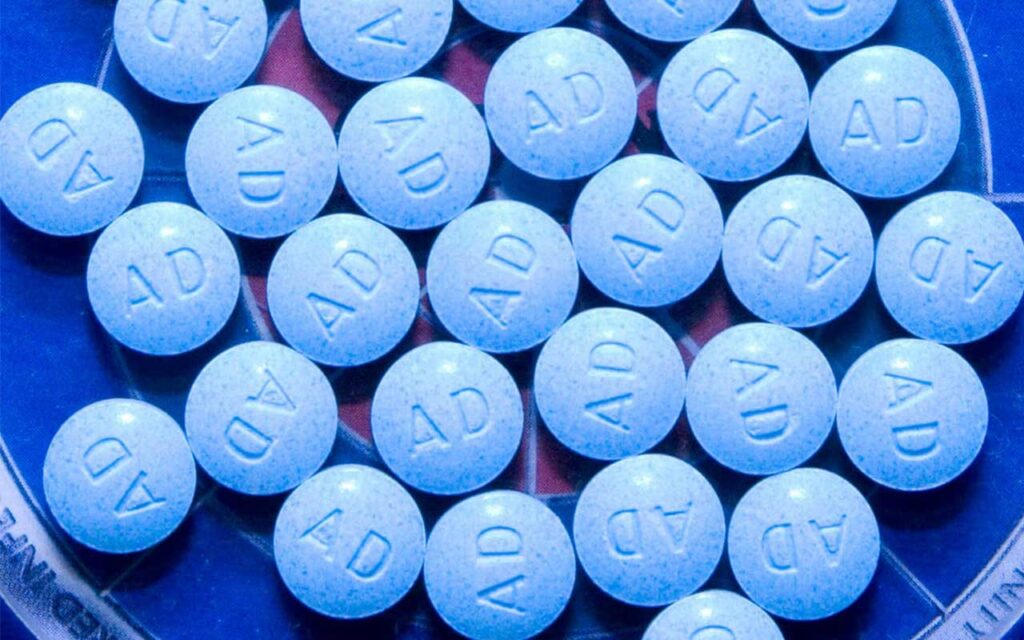
Blue Adderall XR Pill

What happens when you take Adderall for a long time? Does it keep on working, do you develop tolerance if you’re taking it for ADHD?  As follows, is a quick summary; read on to get a little explanation.

Summary of long term effects of Adderall

Mental: Increased focus, attention, motivation.  Reduction of ADHD symptoms.

Heart: Use of Adderall or related stimulants for more than a year increases your diastolic blood pressure by ~ 3-5mm HG, systolic blood pressure by ~ 2-5mm HG and your heart rate ~3-5 beats per minute.  Additionally, it is possible that ECG testing will show slight electrical activiy differences.

This is almost always not good (except possible in someone with initial low blood pressure), but is it bad?  Some argue that these increases don’t have any direct health implications, while others argue that they can show a 20% increase in emergency room use for heart issues in kids who use stimulants.

Before using stimulants, it may make sense to get some basic cardiac testing.

Brain: Some studies have shown that stimulant use in people with ADHD may increase the size of certain parts related to controlling focus, motivation and attention.  This is very positive.  On the other hand, some animal models have shown some neurotoxicity from stimulant use.

Appeptite/weight: Amphetamines like Adderall are among the best appetite suppressers.  This led to their wide abuse as diet pills and may cause unwanted weight reduction in people who use them.  Long term use in kids has been shown to be associated with slight weight loss and even possibly slight height reduction.

ADHD Treatment Effect: Researcher Doctor Biederman reports that in a study of several hundred patients over 1-2 years, for most, stimulant medications continued to work well at a steady dose.  Noted Doctor Halloway, coauther of Driven to Distraction, reports that in almost all cases, tolerance to ADHD medication does not develop, but is possible.  Dr. Paul Wender, a noted researcher into ADHD, reports that tolerance is rare, and most patients can take stimulants for many years without problem.

Of the dozens of research papers reviewed, not one mentioned that developing long term tolerance was a limiting factor in treating ADHD.

That said, there is not enough data in this area.

What does that mean?

With the increasing use of amphetamines to treat ADHD and as recreational drugs, more and more people want to know – are they safe for long term use?  What potential side effects come with use over time?  And, this is exceptionally important, do they continue to treat ADHD over time or does drug tolerance develop?

There have not been that many studies into the long term effects of Adderall.  One thing we know is that stimulants do have some cardiovascular effects which can be serious for at risk people.  That said, one study of several hundred people over 2 years of mixed amphetamine salt treatment (the generic for Adderall), showed no clinically relevant heart effects – at least according to the doctors and researchers who did the trial.  A few people did drop out because of heart related concerns like palpitations and excessive heart rate.

Additionally, a retrospective analysis of about 2,000,000 kids treated over time with stimulant medications showed that 456 went to the emergency room with heart related issues.  When you control for how many kids would normally go to the ER in a sample that large, this represents a 20% increase in risk for heart problems.

Remember, there is a black box warning on stimulants because of their potential for heart complications.

In terms of developing tolerance to the therapeutic effect in treating ADD/ADHD: the data seems to very strongly suggest that tolerance does not develop over a year or two year period, and that use of extended release formulations may increase efficacy due to smoother release.

Attenuation of side effects?

It is possible that with time, the side effects of stimulants become attenuated, or less significant.  For instance, one study showed that a significant amount of people experienced insomnia, depression or weight loss at start of use of stimulant medication.

But near the end of a year, only 1% still had a reduction in appetite that would lead to weight loss, and no one reported insomnia (which sounds a little over-optimistic.  Everyone has insomnia sometimes.)  This may be, however, because those who had serious difficulty with those issues stopped using the medication.

Neurotoxicity?

Some studies in monkeys have shown that amphetamines can cause neurotoxicity even at therapeutic doses.  This effect is likely caused by the effect of amphetamines to reverse dopamine transport channels – because it was not shown to happen with Ritalin, which doesn’t do that.  The neurotoxicity data is not clear, however, especially considering that other animal models did not show this problem.

adhd

Adderall vs Ritalin – Benefits, Problems

Friday, August 21st, 2009
One Ritalin Pill

Adderall vs Ritalin:

Are you confused because you don’t know which ADHD medication is the right choice or works the best?  That makes sense – there are more than 20 different variations on the market right now.

To make your life easier, we have our list of all the ADHD medications explained.  And right here, we’ll compare Adderall vs Ritalin.

The Chemical difference

Ritalin goes to brain cells and stops them from taking up dopamine and norepinephrine, which are chemicals associated with focus, motivation and pleasure.  That increases the amount of them in the general space between cells.

Adderall does the exact same thing.  It also, however, goes inside cells and make them pump out dopamine.  It is this mechanism that may explain their slightly higher strength.  But this may also damage the cells and cause the build of toxic free radicals.

More about Ritalin

Ritalin is the most commonly prescribed stimulant for ADHD, far outselling Adderall, but this doesn’t mean it’s better.  It’s just been out a lot longer.  Ritalin and ADHD are pretty much synonyms, and that association makes a big difference in doctors’ prescribing habits.

Chemically, Ritalin is derived from an amphetamine and is distantly related to cocaine. But that doesn’t mean too much. After all, coffee is also related to cocaine.

It works decently.  Roughly 55% of those who use Ritalin experience benefit. Combined with therapy, however, that number goes up to 70%.

You can get Ritalin in an instant release (IR) and extended release (XR) form.  It’s hard to say which is better.  On the one hand, extended release means more consistency and more convenience.  On the other hand, instant release might provide more of a “punch” so to speak.

More on Adderall

Adderall is a straight up amphetamine, and it works about as well as Ritalin. It too is available in IR and XR form. It’s become increasingly popular since its introduction in the 90s. And it might just be a little stronger than Ritalin.

Some studies show that kids need to take 2instant release pills of Ritalin to cover a day at school, while 1 IR of Adderall works similarly well. We also know that molecule for molecule Adderall is more potent. But that might just mean you take less of it than Ritalin.

Some other studies show that Adderall produces a slight advantage over Ritalin in treating certain symptoms. One study showed that Adderall had significant advantage in keeping people on task and helping stay focused.  But please take that study in context.  It wasn’t a rigorous clinical trial, and only examined 37 patients.

Larger, more scientific studies have also shown a slight advantage of Adderall over Ritalin.  The difference is so small that in any one given study it might not mean anything. What makes it significant is that the slight advantage of Adderall seems to occur in mulitple studies.

More interesting is that people who start Adderall might be more likely to keep on using it than Ritalin.

And in a summer school study at SUNY Buffalo, Adderall was viewed to be slightly more effective. Staff clinicians especially liked it, favoring it 3 to 1 over Ritalin, but of course they weren’t the ones taking it.

Side Effects:

Adderall may be slightly stronger than Ritalin. It may also have slightly different side effects. One clinician’s study showed that Adderall was less likely to cause anxiety and agitation, while being more likely to cause insomnia.

On the other hand, Adderall may be more neurotoxic than Ritalin. This possibility must be researched further, and is supported by studies in rats and monkeys.  You can read more about it in this article, is Stimulant Treatment for ADHD Safe?

You might like:

The 4 Secrets to Success with ADHD

adhd

Is Stimulant Treatment for ADHD Safe?

Tuesday, August 4th, 2009
test

ADHD is most often treated by stimulants like Ritalin, Adderall, and Dexedrine. I’m sure you’ve heard of these medications – but what are they? What do they do?

And most importantly – are they safe?

Are Stimulants Safe?

Stimulants are powerful medications, potentially addictive, and can have very serious side effects.

They’re commonly used because they’re effective.  Up to 70% of people experience significant symptom relief on them.  And the majority of the millions of people who use them are fine.  But they do have common side effects, and can rarely cause some quite nasty things.

The most common issues with stimulant use include increased anxiety, nausea or loss of appetite, and insomnia.

The rarer and very serious side effects?  To quote an ad for Vyvanse, an ADHD medication, “new psychosis, mania, aggression, growth suppression and visual disturbances” are possible.

Heart Damage?

Stimulant use might cause heart damage over time. Stimulants typically increase heart rate by ~3-5 beats per minute and also raise blood pressure.  One study of more than 50,000 children using stimulants showed an 20% increase in risk of emergency treatment for heart problems.

Use of stimulants by someone with a preexisting heart condition is a big no-no, as they may increase risk of cardiac failure or sudden death.

Psychological problems

As mentioned, a rare but serious side effect is that stimulants can cause psychosis, or a break with reality such as paranoia, delusional thinking and hallucinations.  Most psychosis occurs in people who were already at risk – but stimulants can cause psychosis in normal people at normal doses.

Stimulants can also cause serious problems with regulating or controlling mood. They can trigger mania in bipolar patients, and cause extreme mood variation even in people not normally at risk for bipolar.

Stimulants change the brain

Do stimulants cause brain damage?  Maybe.

Studies in rats have shown that extremely high doses of amphetamines given over a short period of time cause serious damage to the production of dopamine and its transport in the brain.  This happens by causing build up of radicals and reactive oxygen species.  Methylphenidate, or Ritalin, does not cause this damage, possibly because it only blocks the receptors for reception of dopamine.

But what about normal use?

The rats did not experience neural changes or damage from doses in the normal range.  The news isn’t all good, though. Baboons and monkeys, however, did experience brain damage at normal doses, showing a significant reduction in natural production and handling of dopamine.

It’s not clear what this means.  Children who take ADHD medication, after all, have larger white brain matter than unmedicated children, indicating a neuro-positive effect.

Remember: use of stimulants in children requires extreme caution and psychological analysis because they are young, more susceptible to side effects, and still developing.

Do stimulants like Adderall and Ritalin stunt growth?

This question is extremely contentious. A number of studies have shown that stimulant use is associated with slightly reduced growth, and, on the other hand, a number have shown that they aren’t.

The evidence, in my opinion, seems to be in favor of a slight reduction in height associated with long term use.

Both sides agree  that stimulant use initially slows growth somewhat; the question is if that delay is made up for in the long run.

Stimulant use is, however, associated with some degree of weight loss in the long run.

Conclusion:

Stimulants are extremely commonly used for a reason. They work. That said, they are potent substances, and often require supportive psychological therapy on the side to achieve best results.

For someone with a history of anxiety or other psychological problems, or someone with cardiac issues, use of stimulants should be exceptionally cautious if at all.  Use in children should also be done with extreme caution and only after appropriate psychological evaluation.

You might like:

50 Ways to Make Friends

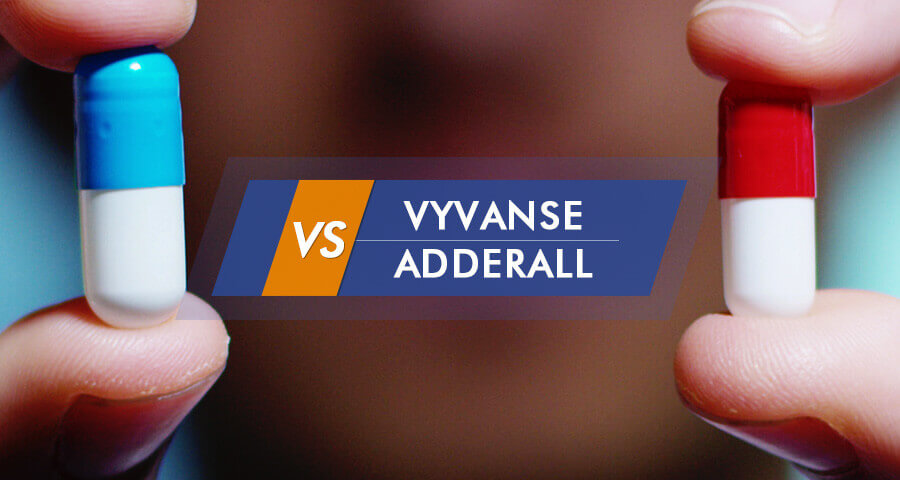
Vyvanse Vs Adderall XR

Sources:

Potential Adverse Effects of Amphetamine Treatment on Brain and Behavior: A Review
Comparative Efficacy of Adderall and Methylphenidate in Attention-deficit/Hyperactivity Disorder: A Meta-Analysis
Cardiac Safety of Methylphenidate Versus Amphetamine Salts in the Treatment of ADHD

Uncategorized

Vyvanse vs Adderall XR – Benefits, Problems

Monday, July 6th, 2009
Vyvanse Pills

Are you about to take Vyvanse?

There are several important things you should know.

First, it’s important to realize that Vyvanse is Shire’s replacement for their old blockbuster drug, Adderall XR, which is losing its patent.

If you’re being suggested to take Vyvanse, it’s not necessarily because it’s a better medication.

Shire wants to turn it into a billion dollar drug, and has unleashed a marketing campaign of that magnitude, aimed at consumers and doctors.

On the other hand, Vyvanse does have some advantages over Adderall.  It also has a few disadvantages.

Comparing Vyvanse vs Adderall is made slightly harder because both drugs are amphetamines.  If you take either, you’re getting pretty much the same thing.  That said, there are some important differences.

1) Vyvanse is 100% d-amphetamine, while Adderall XR is a mix of 4 different d and l-amphetamines.

This mix in Adderall may make it more effective, stronger.  But it might cause more anxiety or physical side effects.  See later for discussion of the differences between the amphetamine types.

The next big difference is that:

2) Vyvanse is released via digestion, while Adderall is released by bead technology.

The digestion release may make Vyvanse smoother, last longer, and have less variablity.  What you eat might not effect it so much, while Adderall XR may be more effected by, say, having a cup of orange juice.

This release also means that snorting or injecting Vyvanse provides less of a high.  As many have pointed out, however, Vyvanse can provide a high just by being taken at higher doses.

But – in general – is Stimulant Treatment for ADHD Safe?

Problems with Vyvanse

There are some things about Vyvanse you should know.  First, that it’s basically nothing more than extended release Dexedrine.  And while it seems to have fewer side effects relating to anxiety and release, it may cause more side effects like reduced appetite.

Because Vyvanse is so new, it may be significantly more expensive than other options or not covered by insurance, especially since both Dexedrine and Adderall are available in generic form.  We also simply do not know as much about it as we do about the older drugs.

Finally, some users feel that it’s not as strong as Adderall, and that it stops working earlier than advertised.

Advantages of Vyvanse

Vyvanse has been shown to have effect for a very long time, up to 14 hours in some studies.  While realistically that duration of effect may not happen, it works fairly well for fairly long.

This is likely because its release mechanism is typically smooth, meaning less variability.

Finally, Vyvanse is pure d-amphetamine, which may mean less of certain side effects compared to the l and d-amphetamine of Adderall.

l versus d amphetamine

Remember that Vyvanse is pure d-amphetamine, while Adderall is a mix of d- and l-forms.

The d form may be more effective at reducing impulsiveness and overactivity. The l form, on the other hand, may increase concentration better, but it may also cause more anxiety.  It is also per molecule less effective than the d form, but such a distinction is perhaps irrelevant.

The d form may effect more dopamine, as opposed to both noradrenaline and dopamine in the l form.  This theory, however, is not established.  Noradrenaline is involved in anxiety responses, which may explain why Adderall XR seems to be worse for anxiety.

adhd, medication